
















Skin Perfecting Laser + PicoLazer FAQs
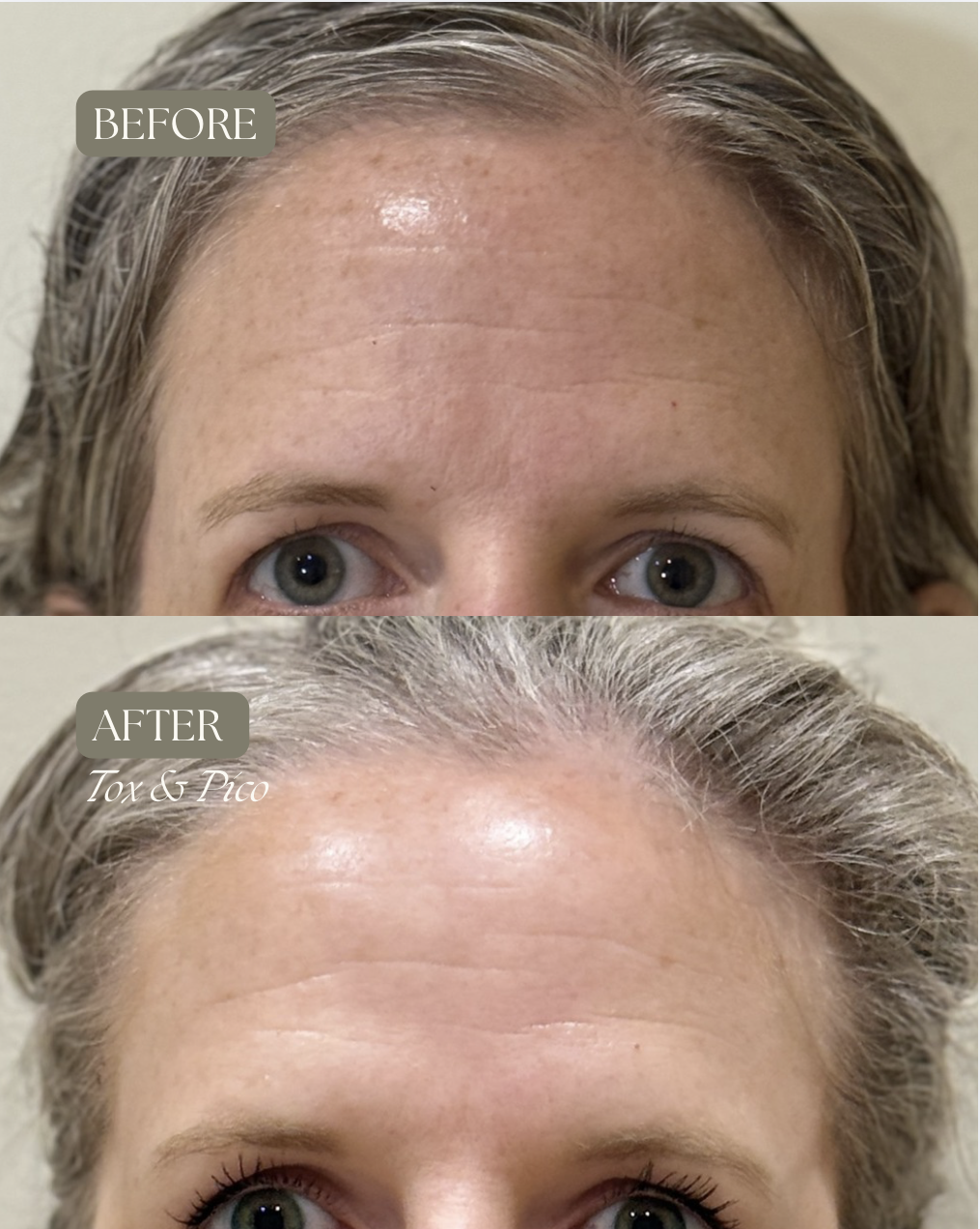
Skin Perfecting Laser is ILŪMRA Skin’s personalized pigmentation treatment using PicoLazer technology. The treatment is designed to target areas of unwanted pigmentation and improve the appearance of uneven skin tone for a clearer, brighter-looking complexion.
PicoLazer is an FDA-cleared dual-wavelength picosecond laser system. It uses extremely short pulses of laser energy and offers both 1064 nm and 532 nm wavelengths, allowing providers to customize treatment based on the pigmentation being addressed and the patient’s skin type.
Yes. PicoLazer is FDA-cleared for the treatment of benign pigmented lesions.
Its 1064 nm wavelength is cleared for benign pigmented lesions in Fitzpatrick skin types I–VI, while its 532 nm wavelength is cleared for benign pigmented lesions in Fitzpatrick skin types I–III.
Your provider will determine the appropriate wavelength and treatment parameters for your individual skin.
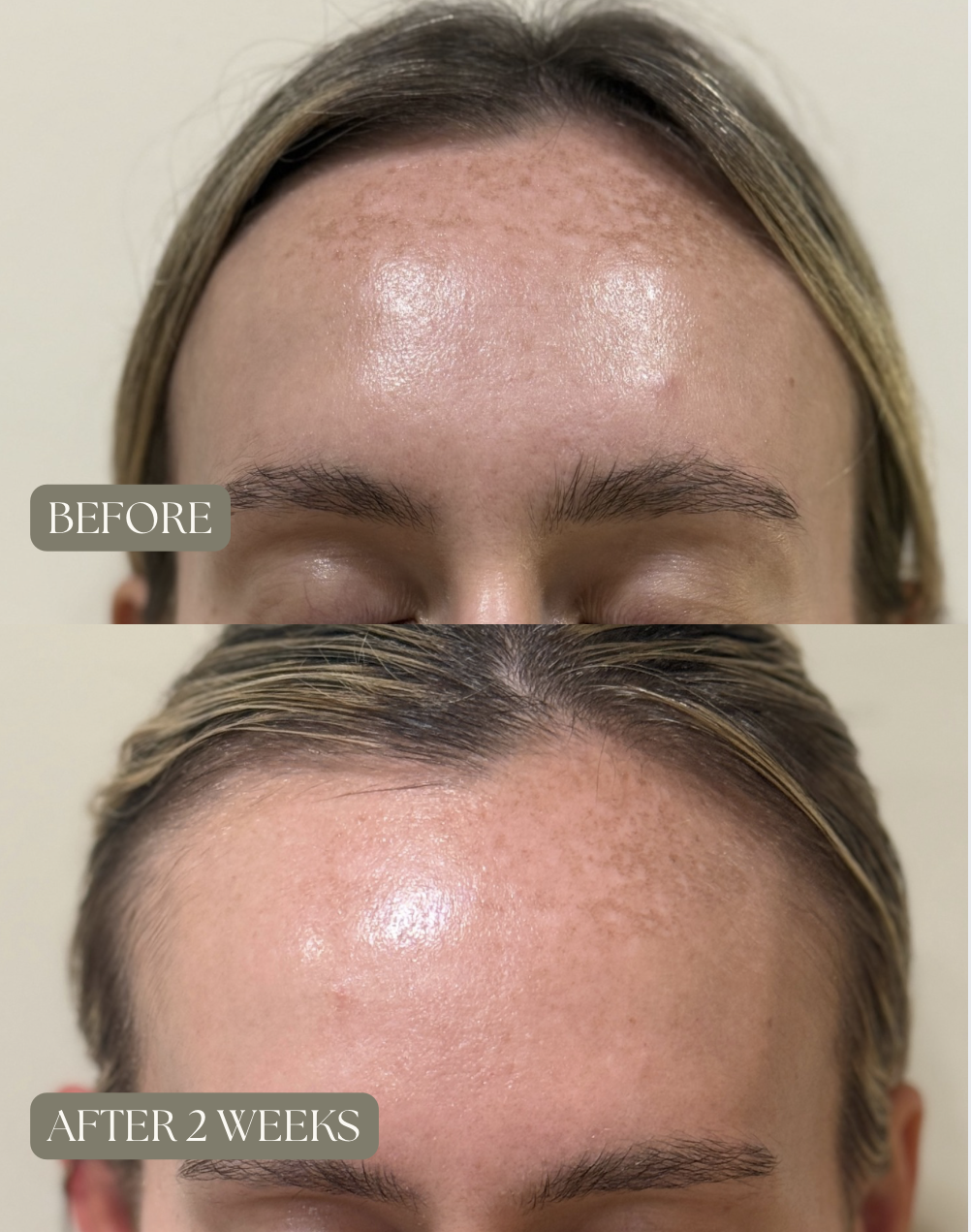
PicoLazer may be used to treat appropriate benign pigmented lesions and improve the appearance of visible pigmentation such as sun spots, age spots, freckles, and other areas of unwanted discoloration.
Because not every pigmented lesion or type of discoloration is appropriate for laser treatment, your provider will evaluate the area before treatment.
PicoLazer delivers ultra-short picosecond pulses of energy to targeted pigment within the skin. This rapid delivery of energy disrupts targeted pigment so it can gradually clear following treatment.
The two technologies serve different primary purposes within our laser portfolio.
Our Skin Perfecting Laser Treatment with PicoLazer is primarily focused on targeted pigmentation and uneven skin tone using non-ablative picosecond technology.
Our Tetra PRO CO₂ Laser Resurfacing treatments resurface the skin and may be selected when concerns such as texture, fine lines, visible sun damage, scarring, and more comprehensive skin renewal are the primary goal.
During your consultation, your provider can determine which treatment—or treatment plan—is most appropriate for your skin.
PicoLazer’s 1064 nm wavelength is FDA-cleared for the treatment of benign pigmented lesions in Fitzpatrick skin types I–VI. The 532 nm wavelength is cleared for benign pigmented lesions in Fitzpatrick skin types I–III.
The appropriate wavelength and treatment parameters depend on your individual skin type, pigmentation, and other factors, so candidacy is determined during consultation.
PicoLazer is a non-ablative treatment and generally involves less downtime than more intensive resurfacing procedures.
Depending on the area and pigment treated, you may experience temporary redness, sensitivity, or darkening of the treated pigment. Your provider will review what to expect based on your individual treatment plan.
The number of treatments varies depending on the type, depth, and extent of pigmentation being treated as well as your individual response.
Some areas may improve following fewer treatments, while others may require a series. Your provider will recommend a personalized treatment plan after evaluating your skin.
Changes may become visible as the targeted pigmentation responds and the skin progresses through its natural clearing process following treatment.
The timing and degree of improvement vary based on the type of pigmentation, treatment parameters, and individual response.
Melasma is a complex pigmentary condition and requires careful evaluation because heat, inflammation, hormones, sun exposure, and other factors can influence it.
PicoLazer technology may be considered as part of an individualized treatment strategy for certain patients, but not every patient with melasma is an appropriate candidate for laser treatment. Your provider will evaluate your skin and determine the most appropriate approach.
Depending on the type and depth of pigmentation, PicoLazer may be considered for areas of post-inflammatory discoloration following acne.
Because active inflammation and different types of acne marks require different treatment approaches, your provider will first evaluate the area to determine whether laser treatment is appropriate.
UV exposure can contribute to pigmentation and may affect how treated skin responds and heals. Consistent sun protection is an important part of both post-treatment care and maintaining improvements in the appearance of pigmentation over time.
Yes. Depending on your skin and goals, PicoLazer may be incorporated into a broader skin health plan alongside treatments such as CO₂ laser resurfacing, regenerative microneedling, chemical peels, facials, and medical-grade skincare.
Your ILŪMRA provider will determine the appropriate treatment sequence and timing.
Results and treatment experience vary by individual. A consultation is required to determine candidacy and the appropriate treatment approach.